
Understanding Bank Transfers for Online Casino Payments
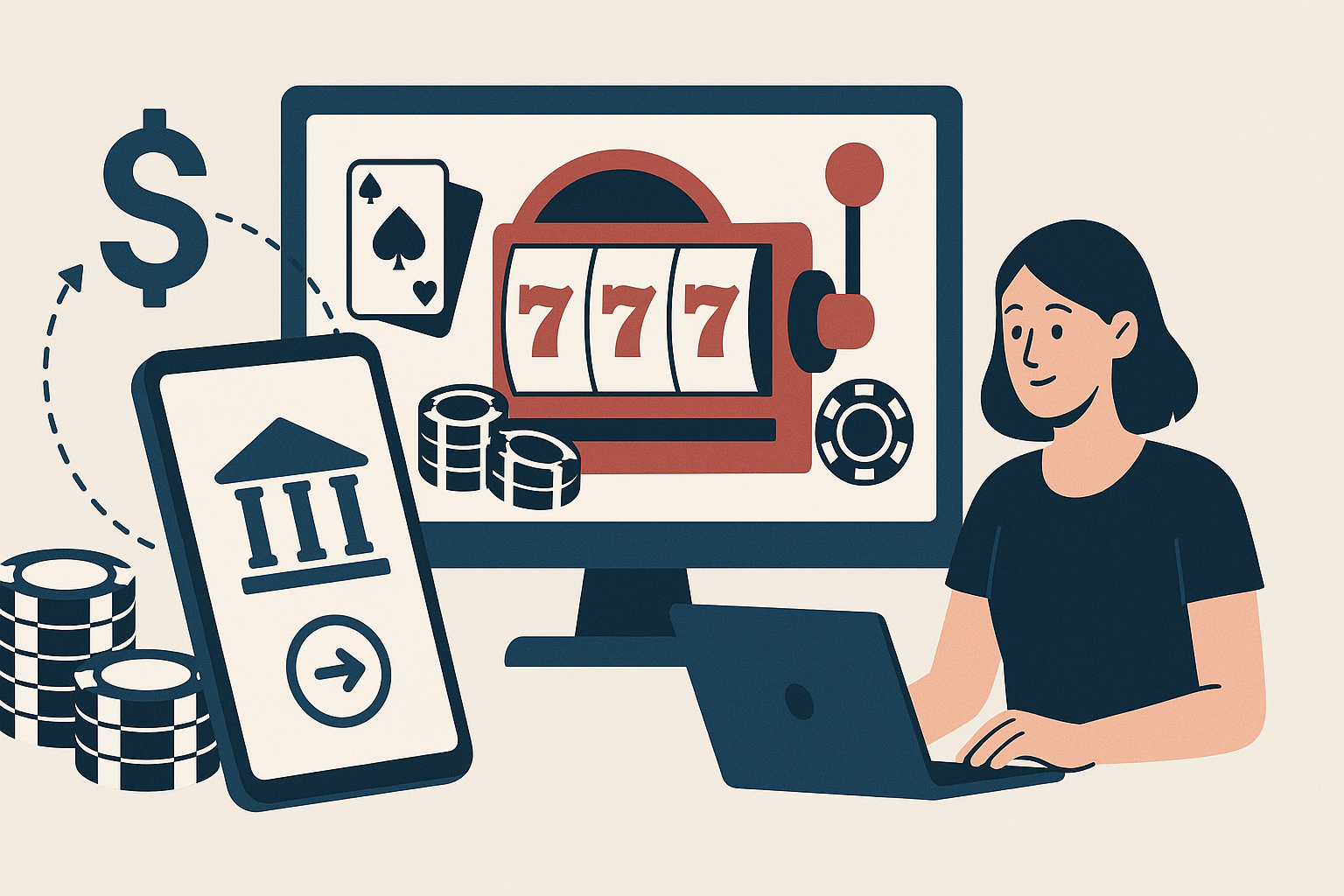
Bank transfers remain one of the most established methods for depositing and withdrawing funds at online casinos. This payment option allows players to move money directly between their bank account and their casino account, offering a straightforward approach to managing gambling funds. While newer payment methods have emerged, bank transfers continue to be widely used due to their reliability and the trust factor associated with traditional banking institutions.
This guide explains how bank transfers work in the online casino context, their advantages and limitations, and what players should consider when using this payment method.
How Bank Transfers Work at Online Casinos
The bank transfer process for casino transactions typically follows these steps:
- Players navigate to the cashier or banking section of their casino account
- They select bank transfer as their preferred payment method
- The casino provides banking details or redirects to a secure banking interface
- Players authorize the transfer through their online banking portal or banking app
- The funds are transferred from the player's bank account to the casino's account
- Once processed, the amount appears in the casino account balance
For withdrawals, the process works in reverse, with the casino initiating a transfer to the player's registered bank account after verification procedures are completed.
Types of Bank Transfer Methods
Traditional Wire Transfers
Conventional wire transfers involve direct bank-to-bank transactions. Players typically need to provide their banking details and the casino's banking information. These transfers are processed through the international banking network and may take several business days to complete. This method is particularly common for larger transactions and withdrawals.
Instant Bank Transfers
Several services facilitate faster bank transfers by acting as intermediaries between banks and casinos. These services, such as Trustly, Interac, or similar platforms, allow real-time or near-instant verification and transfer of funds. Players authenticate their identity through their online banking credentials, and the transaction is completed within minutes or hours rather than days.
Local Bank Transfer Systems
Many regions have developed their own bank transfer networks that casinos may accept. These localized systems often provide faster processing times and lower fees compared to international wire transfers. Examples include SEPA transfers in Europe or specific national payment systems in various countries.
Advantages of Using Bank Transfers
Bank transfers offer several benefits for casino transactions:
- Security: Funds move directly between regulated financial institutions, reducing exposure to third parties
- High transaction limits: Banks typically accommodate larger transfers compared to e-wallets or card payments
- No intermediary accounts needed: Players don't need to create additional accounts with payment processors
- Wide acceptance: Most online casinos accept some form of bank transfer
- Detailed records: Bank statements provide clear documentation of all transactions
- Regulatory compliance: Bank transfers satisfy strict verification requirements in regulated markets
Limitations to Consider
Despite their advantages, bank transfers have certain drawbacks:
- Processing time: Traditional wire transfers can take 3-7 business days, delaying access to funds
- Fees: Banks and casinos may charge transaction fees, particularly for international transfers
- Currency conversion: Transfers in different currencies may incur conversion fees and less favorable exchange rates
- Minimum amounts: Some casinos set higher minimum deposit or withdrawal amounts for bank transfers
- Verification requirements: Additional documentation may be needed to confirm bank account ownership
Practical Steps for Using Bank Transfers Safely
Before Making a Deposit
Players should verify that the online casino holds appropriate licenses from recognized gambling authorities. Checking the casino's security measures, including SSL encryption and responsible gaming policies, helps ensure a legitimate operation. Reading the terms and conditions regarding bank transfer deposits clarifies any fees, processing times, or restrictions.
Making a Deposit
When initiating a bank transfer deposit, ensure you're using your own bank account registered in your name. Casinos require this for anti-money laundering compliance and will not accept third-party payments. Keep records of transaction references and confirmation numbers. Double-check all banking details before authorizing the transfer to avoid sending funds to incorrect accounts.
Requesting Withdrawals
Most casinos require players to withdraw funds using the same method used for deposits when possible. Complete any necessary identity verification before requesting a withdrawal to avoid delays. Be aware that first-time withdrawals typically take longer due to additional security checks. Understand the casino's withdrawal policies, including any minimum amounts, maximum limits, and processing timeframes.
Fees and Processing Times
Transaction fees vary significantly depending on the casino, the player's bank, and the type of transfer used. Some casinos absorb deposit fees but charge for withdrawals, while others maintain a fee-free policy for certain transaction sizes. Players should check both their bank's fee schedule and the casino's payment terms.
Processing times range from instant for modern transfer services to several business days for traditional wire transfers. Weekends and public holidays can extend these timeframes. For time-sensitive situations, alternative payment methods might be more appropriate.
Regulatory and Responsible Gambling Considerations
Players must ensure they comply with local gambling laws and regulations. Some jurisdictions prohibit online gambling entirely, while others have specific licensing requirements for operators. Using bank transfers creates a clear financial trail, which can be relevant for tax reporting obligations in certain countries.
From a responsible gambling perspective, bank transfers can help players maintain better control over their gambling budget since transactions require deliberate action through banking channels. The processing delay associated with traditional transfers may also provide a cooling-off period before funds become available for wagering.
Anyone experiencing difficulties controlling their gambling should utilize responsible gaming tools offered by casinos, such as deposit limits, self-exclusion options, or seeking support from gambling helplines and counseling services.
Conclusion
Bank transfers provide a reliable and secure method for funding online casino accounts, particularly suited for players who prefer established banking channels or need to transact larger amounts. While processing times and fees require consideration, the security and documentation benefits make this payment method a practical choice for many players. Understanding the specific terms, choosing reputable casinos, and maintaining responsible gambling practices remain essential regardless of the payment method selected.