
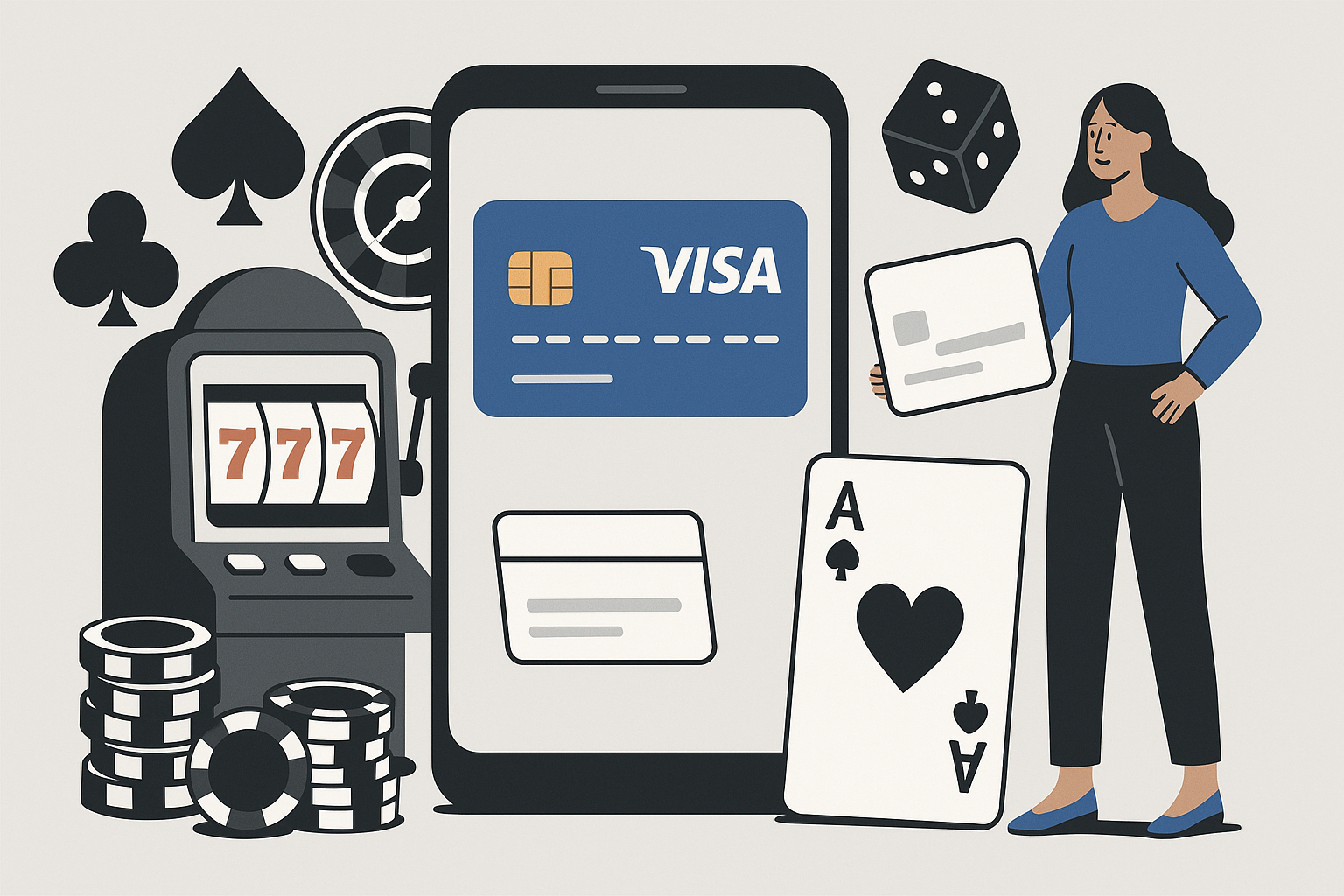
Understanding Visa Payments at Online Casinos
Visa remains one of the most widely accepted payment methods at online casinos worldwide. As a trusted credit and debit card provider, Visa offers players a familiar and straightforward way to manage their casino deposits and withdrawals. This guide explains how Visa payments work in the online gambling context, what to consider when using this payment method, and practical steps for managing transactions.
Why Visa Is Commonly Used for Casino Payments
Visa cards are accepted at the majority of licensed online casinos for several practical reasons. First, most players already own a Visa card for everyday purchases, eliminating the need to set up a new payment account. Second, Visa's global infrastructure means transactions can be processed quickly across different countries and currencies. Third, the company's established security protocols provide a baseline level of protection for financial transactions.
Both Visa debit cards and credit cards can typically be used, though some jurisdictions have implemented restrictions on using credit cards for gambling purposes. Players should verify which card types are accepted both by their chosen casino and permitted under local regulations.
How Visa Deposits Work at Online Casinos
Making a deposit with a Visa card follows a relatively standardized process across most platforms:
- Navigate to the cashier or deposit section of the casino account
- Select Visa as the payment method from the available options
- Enter the card number, expiration date, and CVV security code
- Specify the deposit amount within the casino's minimum and maximum limits
- Confirm the transaction and wait for processing
Most Visa deposits are processed instantly or within minutes, allowing players to access funds in their casino account almost immediately. The transaction will appear on the cardholder's bank statement, typically identified with the casino name or a payment processor designation.
Verification and Security Measures
Many online casinos implement additional verification steps for card payments. This may include 3D Secure authentication protocols such as Visa Secure (previously known as Verified by Visa), which requires entering a one-time code sent to a registered mobile device or email address. These measures add a layer of security by confirming that the person making the transaction is the legitimate cardholder.
First-time deposits may also trigger identity verification requirements, where the casino requests a photograph or scan of the card (often with middle digits obscured for security) alongside identification documents. This practice helps prevent fraud and ensures compliance with financial regulations.
Withdrawal Processes and Timeframes
Withdrawing funds back to a Visa card typically takes longer than deposits. While deposit transactions are nearly instantaneous, withdrawals generally require processing time for security reviews and banking procedures. Common timeframes include:
- Casino processing period: 1-5 business days for account verification and approval
- Banking transfer time: 3-5 business days for funds to appear in the card account
- Total timeframe: Approximately 4-10 business days from withdrawal request to funds received
Some casinos only allow withdrawals to the same Visa card used for deposits, as an anti-money laundering measure. If a player deposited using multiple cards, they may need to withdraw proportionally to each card or provide additional documentation.
Fees and Transaction Limits
Fee structures vary by casino and card issuer. Many online casinos do not charge fees for Visa deposits, though some may apply a small percentage charge or fixed fee. The card-issuing bank may also impose charges, particularly for transactions categorized as cash advances or international payments.
Transaction limits differ across platforms. Typical ranges include:
- Minimum deposit: $10-$20
- Maximum deposit: $5,000-$10,000 per transaction
- Maximum withdrawal: $2,500-$5,000 per transaction, with monthly limits sometimes applying
Players should review both the casino's terms and their card's conditions to understand the complete fee structure and any applicable limits before initiating transactions.
Potential Limitations and Declined Transactions
Not all Visa transactions at online casinos proceed smoothly. Several factors can result in declined deposits:
- Banking restrictions: Some card issuers block gambling-related transactions based on internal policies or regulatory requirements
- Insufficient funds: The card account lacks adequate balance or available credit
- Geographic restrictions: The casino or payment processor does not accept cards from certain countries
- Security flags: The bank's fraud detection system identifies the transaction as potentially suspicious
If a transaction is declined, players should contact their card issuer to determine the specific reason. In some cases, informing the bank of the intended transaction beforehand can prevent automatic blocks.
Regulatory Considerations and Responsible Use
The legality of online gambling and associated payment processing varies significantly by jurisdiction. Some countries have prohibited financial institutions from processing gambling transactions, while others have implemented licensing frameworks that permit regulated activity. Players are responsible for understanding and complying with local laws before engaging in online gambling.
Using a Visa card for casino payments creates a clear transaction record, which can be helpful for personal budgeting and monitoring gambling expenditure. Many financial experts recommend treating gambling as entertainment spending with predetermined limits. Setting deposit limits within the casino account and monitoring card statements regularly are practical steps for maintaining control over gambling-related expenses.
Alternative Considerations
While Visa offers convenience, players should be aware of alternative payment methods that may suit different needs. E-wallets, bank transfers, prepaid cards, and cryptocurrency options each have distinct characteristics regarding speed, privacy, fees, and availability. Comparing multiple payment methods helps identify the most appropriate option for individual circumstances.
Before committing to any online casino, verify that the platform holds proper licensing from a recognized regulatory authority. Licensed casinos are required to maintain certain standards for financial transactions, data protection, and fair gaming practices.