
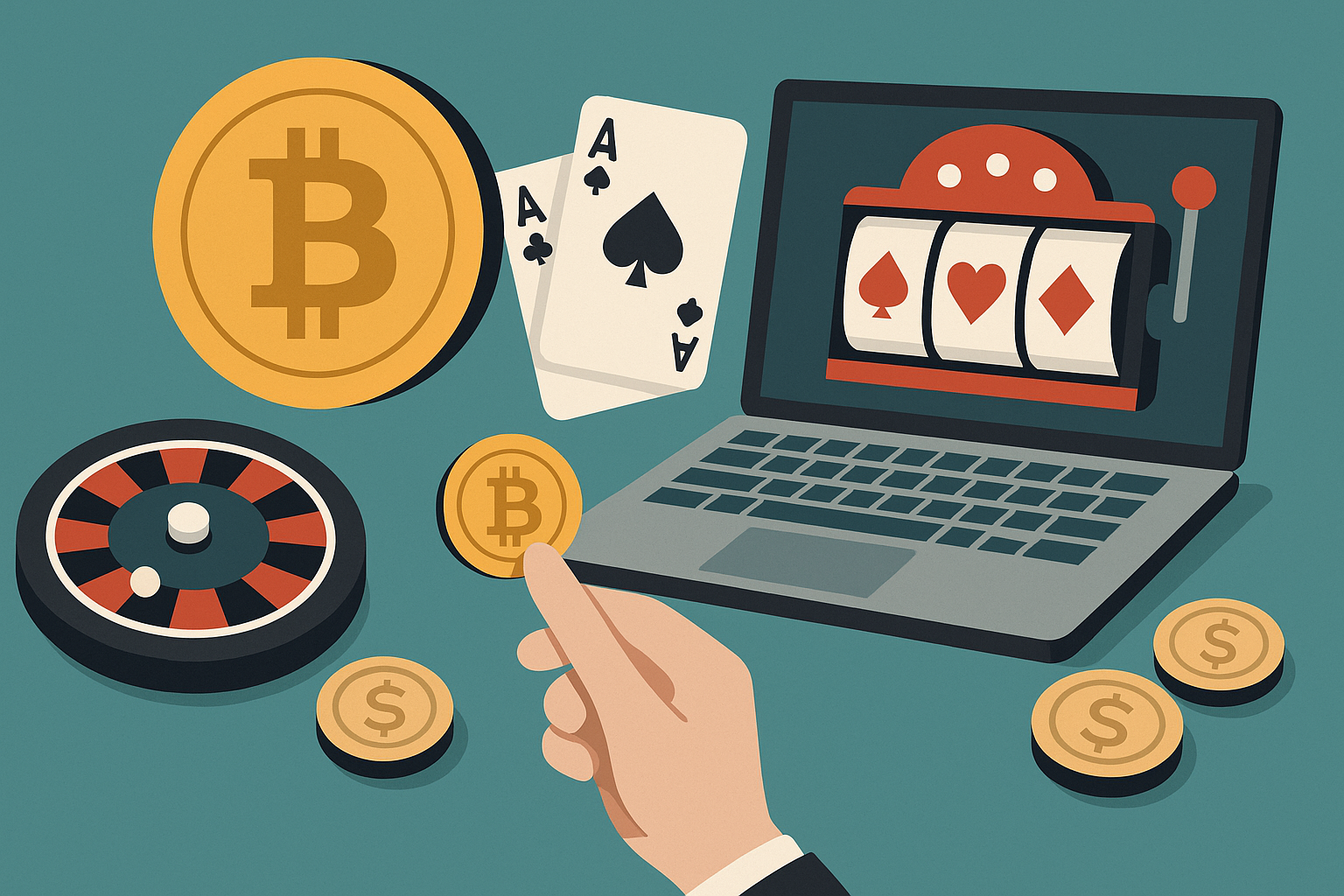
Understanding Bitcoin Casinos
Bitcoin casinos are online gambling platforms that accept Bitcoin and often other cryptocurrencies as payment methods. These platforms function similarly to traditional online casinos but use blockchain technology to process deposits and withdrawals. The primary difference lies in the payment infrastructure, which operates without traditional banking intermediaries.
Players can deposit Bitcoin directly from their digital wallets to their casino accounts, place bets on various games, and withdraw their winnings back to their wallets. The process typically involves generating a unique Bitcoin address for each transaction, which is then recorded on the blockchain.
How Bitcoin Payments Work at Online Casinos
The transaction process at Bitcoin casinos differs from traditional payment methods. When depositing, players receive a unique Bitcoin wallet address or QR code from the casino. They then initiate a transfer from their personal wallet to this address. The blockchain network validates the transaction, which can take anywhere from a few minutes to over an hour depending on network congestion and the transaction fee paid.
Withdrawals follow a similar pattern. Players request a withdrawal to their Bitcoin wallet address, the casino processes the request, and the funds are sent through the blockchain network. Many platforms require identity verification before processing larger withdrawals, even when using cryptocurrency.
Transaction Speed and Fees
Bitcoin transaction times vary based on network activity and the fee attached to the transaction. During periods of high network usage, confirmation times may extend significantly. Transaction fees are determined by network demand rather than the casino itself. Some casinos cover these fees for their users, while others pass them along or set minimum withdrawal amounts to offset costs.
Setting Up for Bitcoin Casino Transactions
Before using Bitcoin at online casinos, you need to complete several preparatory steps:
- Obtain a Bitcoin wallet (software, hardware, or exchange-based)
- Purchase Bitcoin through a cryptocurrency exchange or other acquisition method
- Verify your identity with the exchange if required by local regulations
- Transfer Bitcoin from the exchange to your personal wallet for better security
- Research and select a reputable casino that accepts Bitcoin
Each wallet type offers different security levels and convenience factors. Hardware wallets provide enhanced security for long-term storage, while software wallets offer easier access for frequent transactions. Exchange-based wallets are convenient but mean trusting a third party with your funds.
Regulatory Considerations
The legal status of online gambling with cryptocurrency varies significantly by jurisdiction. Some countries have clear regulations that explicitly address or prohibit cryptocurrency gambling, while others operate in regulatory grey areas. Players are responsible for understanding and complying with their local laws.
Many jurisdictions require online casinos to obtain licenses and implement anti-money laundering procedures. These requirements apply regardless of payment method. Licensed casinos typically require identity verification (KYC procedures) even when accepting cryptocurrency, contrary to the common assumption that Bitcoin gambling is always anonymous.
Tax Obligations
In numerous countries, gambling winnings and cryptocurrency transactions may both trigger tax obligations. Converting Bitcoin to fiat currency, using it for gambling, or receiving winnings in Bitcoin can all constitute taxable events depending on local tax codes. Maintaining records of transactions is advisable for accurate tax reporting.
Security Practices
Using Bitcoin for casino transactions involves specific security considerations. Blockchain transactions are irreversible, meaning funds sent to incorrect addresses cannot be recovered. Players should verify wallet addresses carefully before confirming transactions.
Recommended security measures include:
- Using two-factor authentication on both casino accounts and wallets
- Keeping only necessary funds in hot wallets used for gambling
- Storing larger amounts in cold storage (hardware wallets or paper wallets)
- Verifying the casino's security certifications and user reviews
- Maintaining updated antivirus and anti-malware software
- Being cautious of phishing attempts and fraudulent casino sites
Advantages and Limitations
Bitcoin casino payments offer certain practical characteristics. Transactions can potentially process faster than traditional banking methods, particularly for international transfers. Some users value the reduced reliance on traditional financial institutions. The blockchain provides a transparent transaction record that both parties can verify.
However, there are notable limitations. Bitcoin's price volatility means the value of deposits and winnings can fluctuate significantly between transaction and conversion. Network congestion can delay transactions during peak periods. Not all jurisdictions have clear regulatory frameworks for cryptocurrency gambling, creating legal uncertainty. The irreversible nature of blockchain transactions provides no chargeback option if disputes arise.
Practical Steps for Your First Deposit
When making your first Bitcoin casino deposit, follow these steps to minimize complications:
- Verify the casino is licensed in a recognized jurisdiction
- Read the terms and conditions regarding cryptocurrency transactions
- Start with a small test deposit to familiarize yourself with the process
- Copy the provided Bitcoin address rather than typing it manually
- Double-check the address before confirming the transaction
- Keep a record of the transaction ID for reference
- Wait for the required number of blockchain confirmations
Most casinos specify the minimum number of confirmations needed before funds become available for play, typically ranging from one to six confirmations.
Responsible Gambling Considerations
The ease of cryptocurrency transactions should not overshadow the importance of responsible gambling practices. Set deposit limits, take breaks, and never gamble with funds you cannot afford to lose. Many jurisdictions offer resources for problem gambling support, and responsible casinos provide tools for self-exclusion and deposit limits regardless of payment method used.
Bitcoin's digital nature can make spending feel less tangible than traditional currency, potentially affecting spending awareness. Maintaining awareness of the actual monetary value of your Bitcoin holdings and gambling activity remains important for financial health.